Homeopathy for Diabetes in Vadodara: What to Expect

Book Your Consultation

If you or someone in your family lives with diabetes, you may have wondered whether homeopathy can have a place in your care. This guide explains, in simple words, how a homeopathic consultation works in Vadodara, what to expect from the first visit, and what homeopathy can and cannot do.

Book Your Consultation – ₹499 (India) | $25 (NRI)

First, an important point

Homeopathy is a complementary approach. It does not replace your diabetes medicines or insulin, and you should never stop or change them without your own doctor's advice. This is especially important if you take insulin or other glucose-lowering medicines. Think of homeopathy as support alongside your regular care, not instead of it.

What does "complementary" mean?

Complementary means working together with your current treatment. Your own physician continues to guide your medicines and check-ups. A homeopathic doctor adds attention to the whole person: your sleep, stress, appetite, energy, digestion and daily routine, which all affect how you feel and how your sugar behaves.

How a homeopathic consultation works

A homeopathic doctor looks at the whole person, not only the sugar report. In a first visit you can expect:

  • A detailed conversation about your health history, family history, symptoms, sleep, stress, appetite and energy
  • A review of your reports, such as fasting and post-meal sugar, HbA1c and other tests
  • Questions about your routine: meals, activity, work, travel and family situation
  • A personalised plan with follow-up visits, so progress is reviewed regularly

Why diet and lifestyle matter just as much

Blood sugar responds strongly to everyday habits. Along with any treatment, we work on practical changes that fit Indian homes and Indian food:

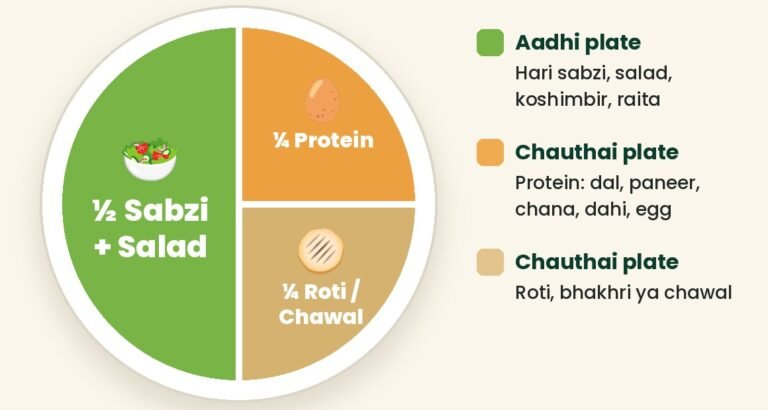
  • Balanced plates with enough protein and fibre (dal, sabzi, salad, curd) instead of only roti or rice
  • Portion awareness, especially at dinner and during festivals
  • Regular walking or movement, even a 10 to 15 minute walk after meals if your doctor agrees
  • Good sleep and simple stress management

Small, steady changes usually work better than strict plans that are hard to follow. If you take insulin or glucose-lowering medicines, please align any diet or exercise change with your own doctor.

Who may want to consult

  • People who want guidance on diet and lifestyle along with their current treatment
  • Families who want a doctor who explains things patiently
  • Anyone confused by conflicting advice who wants one clear, practical plan
  • People with prediabetes who want to understand their numbers early

What to bring to the first visit

  • Your latest blood reports (HbA1c, fasting and post-meal sugar, lipid profile, thyroid if done)
  • A list of all current medicines and doses
  • A few days of sugar readings, if you test at home
  • Your questions, written down so nothing is forgotten

About Dr. Ruchita Mehta
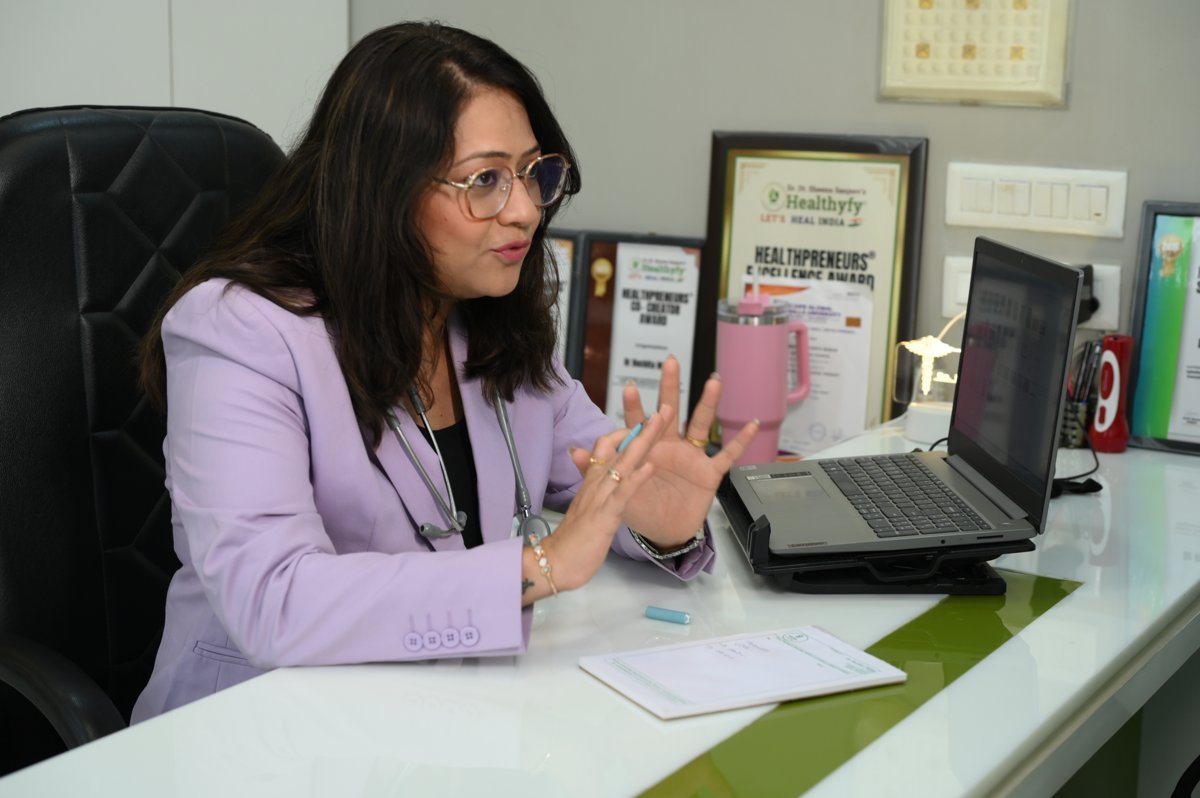
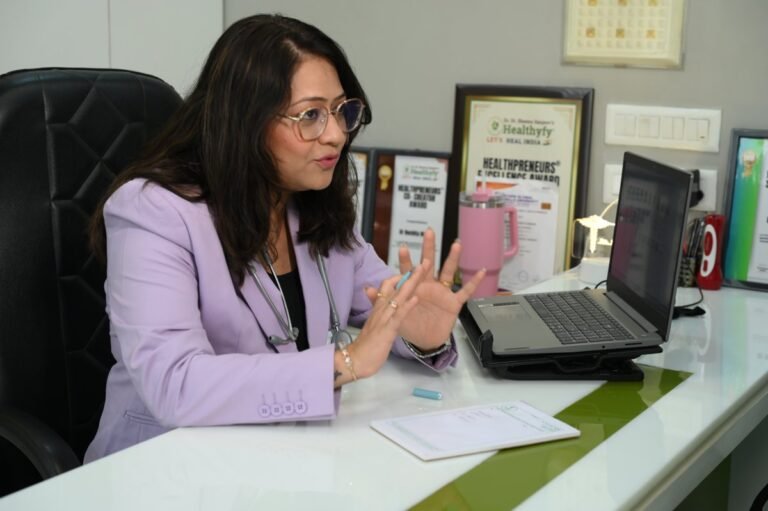
Dr. Ruchita Mehta, homeopath and diabetes educator in Vadodara

Dr. Ruchita Mehta is a BHMS homeopathic doctor and Certified Diabetes Educator based in Vadodara. She herself lives with Type 1 diabetes, so she understands the daily reality of managing blood sugar, not only from textbooks. Welcoming patients since 2012, she focuses on helping people understand their diabetes and build habits they can follow in real life.

Frequently asked questions

Can homeopathy replace my diabetes medicines?

No. Homeopathy is complementary. Please continue your medicines or insulin exactly as your doctor has advised, and speak to your doctor before any change.

Is homeopathy safe to take along with diabetes medicines?

Many people use homeopathy alongside their regular treatment. Always tell every doctor you consult about everything you are taking, so your care stays coordinated.

How long does the first consultation take?

The first visit is usually longer than a regular check-up, because the doctor listens to your full story and reviews your reports. Follow-up visits are shorter.

Will I need to change my diet?

Most people benefit from small, practical changes to meals and daily movement. These are suggested step by step and should be aligned with your own doctor, especially if you take insulin.

Do you see Type 1 diabetes and children?

Yes, families are welcome. Dr. Ruchita lives with Type 1 diabetes herself. Care for Type 1 always continues with insulin as prescribed by your doctor.

How do I book an appointment?

Message or call 99982 79850 on WhatsApp, or visit the clinic at SF-19 Earth Alpha, Vasna-Bhayli Main Road, Vadodara 390007.

Book a consultation

Book on WhatsApp Call 99982 79850

Consultation fee: ₹499 (India) | $25 (NRI)
Clinic: SF-19 Earth Alpha, Vasna-Bhayli Main Road, Vadodara 390007 (open in Google Maps)
Timings: Monday to Friday, 10:30 AM to 1:00 PM and 5:30 PM to 8:00 PM
WhatsApp or call: 99982 79850

More: About Dr. Ruchita Mehta | Diabetes consultation page

Written by Dr. Ruchita Mehta

BHMS | Certified Diabetes Educator | 16+ years of experience

Dr. Ruchita lives with Type 1 diabetes herself. Her own journey, from gestational diabetes to Type 1, is why she explains diabetes the way she wishes someone had explained it to her. Read more about Dr. Ruchita

Disclaimer: This article is for general information and does not replace advice from your own doctor. Please consult your doctor before making any change to your treatment.
Book Your Consultation


Related Posts

Plate method for an Indian diabetes diet: half vegetables and salad, a quarter protein, a quarter roti or rice
November 8, 2026

If you or someone at home lives with diabetes in Vadodara, you have probably heard three kinds of advice: take your medicines, eat right and move more. All three matter. What people often miss is how they fit together in real life, in a real Gujarati kitchen, on a busy weekday. This guide explains how a complementary homeopathic approach, sensible food habits and small lifestyle changes can work side by side, always alongside your regular treatment. Book Your Consultation – ₹499 (India) | $25 (NRI) Homeopathy is complementary, not a replacement Homeopathy is a complementary approach. It is not a substitute for insulin, tablets or the advice of your own doctor. Please never stop or change a medicine on your own. If you take insulin or glucose-lowering medicines, every change in diet or exercise should be aligned with your doctor, because your needs can change as your routine changes. What a complementary approach looks at In a homeopathic consultation the doctor looks at the whole person, not only the sugar number. Two people with the same HbA1c can have very different sleep, stress, digestion, cravings and energy. That personal picture helps in choosing practical habits that suit you, and in understanding what is happening behind your reports. Part 1: Indian diet for diabetes, built around a Gujarati home You do not need a separate diet for the person with diabetes. In most homes it works better when the whole family eats the same food with small changes. The plate idea. …

Dr. Ruchita Mehta, homeopath and diabetes educator in Vadodara
November 7, 2026

Walking into a new clinic can feel uncertain. If you are looking for a homeopathic doctor in Vadodara, it helps to know what the first consultation looks like, which reports to bring and how to prepare. Here is a simple, step-by-step walk-through from Dr. Ruchita Mehta's clinic. Book Your Consultation – ₹499 (India) | $25 (NRI) Why the first visit feels different A homeopathic first visit is usually longer than a regular check-up. The doctor wants to understand you as a person, not only your diagnosis. Two people with the same sugar report can have very different sleep, stress, digestion and energy, and that story matters. Homeopathy is a complementary approach. It works alongside your current treatment and does not replace your medicines or insulin. Please never stop or change medicines without your own doctor's advice. Step 1: A detailed conversation You will be asked about: Your main complaint and how long it has been there Your health history and any family history Sleep, appetite, thirst, digestion and energy through the day Stress, work, family situation and emotions What makes you feel better or worse There are no wrong answers. The more openly you share, the better the doctor can understand your situation. Step 2: Reviewing your reports Please bring your recent reports and medicine list. For diabetes this usually means HbA1c, fasting and post-meal sugar, and any other tests your doctor has advised. The doctor reads them with you and explains what the numbers mean in plain language. Step …

September 2, 2026

🍳 Best Breakfast for Diabetes: Why Your First Meal May Affect Your Blood Sugar All Day What did you eat for breakfast today? Poha? Paratha? Bread and tea? Oats? Or maybe you skipped breakfast completely. For someone with diabetes, breakfast isn't simply about "eating less sugar." The composition of your first meal can influence hunger, energy, post-meal glucose and what you eat later in the day. And here's the interesting part: A breakfast that looks healthy on Instagram isn't necessarily the best breakfast for diabetes. A bowl of plain oats. A fruit smoothie. Two slices of brown bread. A glass of juice. All can sound healthy—but the nutritional balance matters. So what should actually be on a diabetes-friendly Indian breakfast plate? 📑 Table of Contents 🩸 Why Breakfast Can Matter in Diabetes After waking up, your body is transitioning from an overnight fasting state to an eating state. Hormones involved in glucose regulation are active in the morning, and some people experience higher glucose levels around this time. Then breakfast adds another glucose challenge. That's why the same food may produce a different response depending on: 🚨 The Biggest Breakfast Mistake: Carbs + Carbs + Carbs Consider this breakfast: 2 slices bread + banana + sweet tea It may look small. But nutritionally, it's largely carbohydrate-based. Another example: Poha + banana + sweet chai Again, the meal can become carbohydrate-heavy. The issue isn't that these foods are automatically "bad." The issue is lack of balance. 🥚 Why Protein Deserves a …

August 27, 2026

🚽 Diabetes and Constipation: The Gut Problem People With Diabetes Often Ignore You manage your blood sugar. You watch your food. You walk every day. But there's another problem you may not talk about: You can't remember the last time you had a comfortable bowel movement. Maybe you go only every few days. Maybe your stools are hard. Maybe you constantly feel bloated or "blocked." And you may assume: "I'm just not eating enough fiber." Sometimes that's true. But diabetes and constipation can be connected in several different ways, including dehydration, diet, medications, reduced activity and—especially in long-standing diabetes—nerve damage affecting the digestive system. 📑 Table of Contents 🩸 1. Is Constipation Linked to Diabetes? Yes. Constipation can occur in people with diabetes for many reasons, and not every case is caused by diabetes itself. Common contributors include: The important question isn't simply: "Do I have constipation?" It's: "Why am I constipated?" 🧠 2. How Can Diabetes Affect Your Gut? Your digestive system relies on nerves and muscles to move food through your intestines. Long-term diabetes can sometimes damage nerves that control involuntary body functions. This condition is called diabetic autonomic neuropathy. When the nerves controlling the digestive tract are affected, food and waste may move more slowly. The Gut-Brain-Nerve Connection SystemRoleNervesCoordinate digestionIntestinal musclesMove stool forwardWaterKeeps stool softerFiberAdds bulkPhysical activitySupports bowel movement If several of these are disrupted, constipation can become more persistent. 🐌 3. When Your Gut Starts Moving Too Slowly Imagine your intestine as a conveyor belt. Normally: …

August 22, 2026

💧 Diabetes and Dehydration: The Hidden Blood Sugar Cycle You Shouldn't Ignore You feel thirsty. So you drink more water. A few minutes later, you're in the bathroom again. Then you're thirsty again. You might think: "I just drink a lot of water. That's why I urinate so much." But with diabetes, the relationship can work in the opposite direction. Sometimes high blood sugar causes excessive urination, which causes dehydration, which can make blood glucose management even more difficult. And the cycle can continue. 📑 Table of Contents 🩸 1. Why Does Diabetes Increase the Risk of Dehydration? When blood glucose becomes very high, the kidneys try to remove some of that excess glucose through urine. But glucose in the urine pulls additional water along with it. This can lead to: More glucose in urine → more urination → more fluid loss If you don't replace those fluids, dehydration develops. 🔄 2. The High Blood Sugar–Dehydration Cycle This is the part many people don't understand. Step 1 Blood glucose rises significantly. ⬇️ Step 2 The kidneys excrete more glucose into urine. ⬇️ Step 3 More water is lost with the urine. ⬇️ Step 4 You become dehydrated. ⬇️ Step 5 Dehydration can make glucose readings harder to control. ⬇️ Step 6 Higher glucose can cause more urination. 🔁 The cycle continues. 🚨 3. 9 Warning Signs of Dehydration Don't wait until you're extremely thirsty. Look for: 1. Excessive thirst Your body is asking for more fluid. 2. Dry mouth Your …

August 18, 2026

☀️ Diabetes and Heat Intolerance: Why Summer Can Affect Your Blood Sugar More Than You Think You step outside on a hot summer afternoon. Within minutes, you feel: You drink water, sit down and assume it's simply because the weather is hot. But if you have diabetes, heat can affect much more than your comfort. Hot weather can influence hydration, blood circulation, insulin absorption, physical activity, and blood glucose levels. And when several of these happen together, managing diabetes during summer can become surprisingly difficult. The important point is this: Heat intolerance in someone with diabetes isn't always "just the heat." Sometimes it can be a clue that your body isn't handling heat, hydration, or glucose particularly well. 📑 Table of Contents 🌡️ What Is Heat Intolerance? Heat intolerance means feeling unusually uncomfortable or becoming overheated more easily than expected in warm conditions. It can include: Heat intolerance has many possible causes. Diabetes is only one of them. However, diabetes can make the body's response to heat more complicated. 🩸 1. Why Diabetes Can Make Hot Weather More Difficult Your body has to maintain a fairly stable internal temperature. When you're hot, your body responds by: Increasing skin blood flow + producing sweat → releasing heat Diabetes can affect the nerves and blood vessels involved in these processes, particularly when diabetes has been present for a long time or is poorly controlled. This can interfere with the body's ability to respond normally to heat. 💧 2. Dehydration Can Become a …

Leave a Reply

Your email address will not be published. Required fields are marked *