
The Hidden Dangers of Type 2 Diabetes: Causes, Symptoms & How to Beat It Naturally

Book Your Consultation

Type 2 Diabetes

Living with Type 2 Diabetes doesn’t have to mean a life of medications and constant dietary restrictions. In fact, with the right knowledge and changes to your daily routine, you can naturally support your body, improve insulin sensitivity, and even reverse insulin resistance. Thousands of people are now managing their blood sugar without relying entirely on medications—and so can you. In this blog, we’ll uncover the real causes of Type 2 Diabetes, early warning signs, and natural management strategies that promote long-term health and healing.


What is Type 2 Diabetes?

Type 2 Diabetes is a metabolic disorder where the body becomes resistant to insulin or doesn’t produce enough of it to maintain normal blood sugar levels. Unlike Type 1 Diabetes—which is an autoimmune condition—Type 2 is primarily lifestyle-related, although genetics also play a role. Over time, consistently high blood sugar levels damage organs, blood vessels, and nerves, increasing the risk of heart disease, kidney failure, and vision loss. The good news? It’s manageable—and in many cases, reversible.


Causes of Type 2 Diabetes

Understanding the root causes of Type 2 Diabetes helps in targeting the problem at its core. While family history and age increase the risk, your daily habits have a much stronger impact. Major causes include:

  • Sedentary lifestyle with little to no physical activity
  • Poor dietary choices high in sugar, trans fats, and refined carbs
  • Chronic stress leading to high cortisol levels and insulin resistance
  • Excess abdominal fat that disrupts hormonal balance
  • Inadequate sleep or poor sleep hygiene
  • Gut microbiome imbalance linked to inflammation and poor glucose regulation

💡 Pro Tip: Chronic stress increases cortisol, which elevates blood sugar and makes your cells more insulin-resistant over time. Prioritizing stress management is crucial.


Early Symptoms You Shouldn’t Ignore

Type 2 Diabetes often develops silently over the years. Here are common warning signs you should watch out for:

  • Persistent fatigue or energy crashes after meals
  • Frequent urination, especially at night
  • Unusual thirst or constant hunger
  • Blurred vision
  • Slow-healing cuts or frequent infections
  • Dark patches around the neck or underarms (acanthosis nigricans)

Don’t wait for a formal diagnosis—early lifestyle intervention can prevent the condition from progressing.


1. Focus on Whole, Real Foods

  • Replace refined carbs and sugars with complex carbs like quinoa, oats, and millets
  • Eat plenty of vegetables rich in fiber and antioxidants
  • Include proteins like lentils, tofu, eggs, and fish
  • Healthy fats from ghee, avocado, and seeds can stabilize blood sugar
  • Natural remedies like fenugreek seeds, bitter gourd juice, and cinnamon help reduce glucose spikes

2. Movement is Medicine

  • A 20–30 minute walk after meals can significantly lower post-meal glucose
  • Strength training 2–3 times a week improves muscle insulin sensitivity
  • Yoga and stretching support nervous system regulation and reduce inflammation

3. Master Stress & Sleep

  • Deep breathing, guided meditation, or journaling lowers cortisol
  • Aim for 7–8 hours of quality sleep to allow insulin regulation overnight
  • Avoid screen time 1 hour before bed and create a sleep-friendly environment

4. Track & Adjust

  • Regularly monitor your HbA1c, fasting glucose, and post-meal sugar
  • Keep a food, mood, and glucose log to understand your body
  • Consult with a certified diabetes educator to personalize your nutrition and movement plan

🔗 External Resource: Learn more from American Diabetes Association


Do You Always Need Medication?

Not always. While some people need medications initially, Type 2 Diabetes can often be reversed or managed naturally through sustainable lifestyle changes. Many clients have been able to reduce or even stop their medications over time—with their doctor’s supervision—by embracing natural interventions. Important: Never stop or change your prescribed medication without professional guidance.
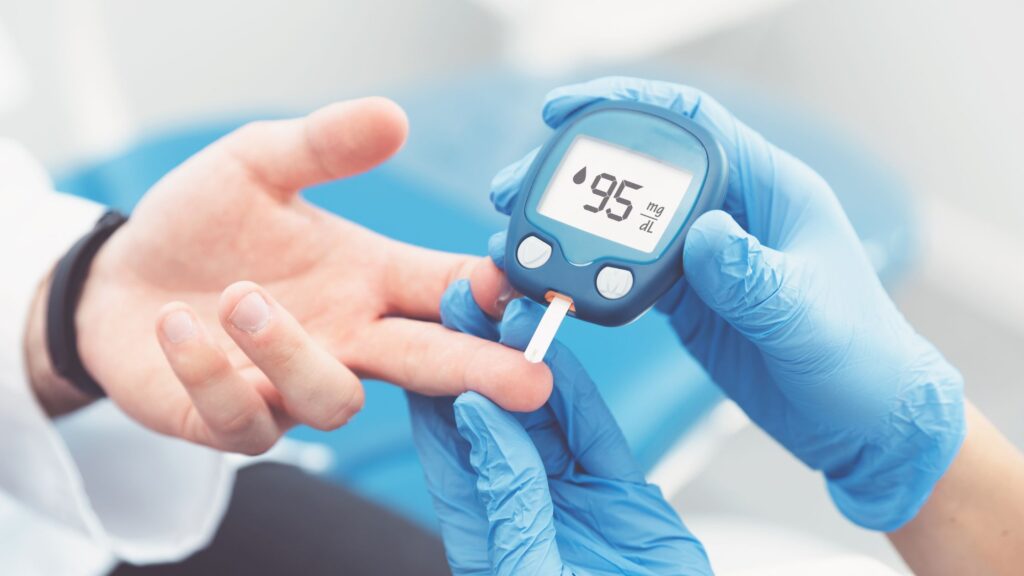

Real Case Study: Reversing Diabetes Holistically

One of our inspiring clients, a 42-year-old woman with Type 2 Diabetes and PCOS, came to us exhausted and frustrated. Her HbA1c was 7.8%, and she relied heavily on metformin. Through a 4-month personalized plan involving nutrition coaching, mindful movement, and hormone-balancing strategies, she reduced her HbA1c to 5.6%, improved her insulin sensitivity, and discontinued her medication under her doctor’s supervision. Most importantly, she felt more energetic, clear-minded, and in control of her health.


Final Thoughts

Type 2 Diabetes is not a life sentence. By addressing root causes and embracing natural strategies, you can take control of your blood sugar, your energy, and your long-term health. Small, consistent steps lead to big changes. Whether you’re newly diagnosed or have been living with diabetes for years, healing is possible—naturally.
Ready to take control of your health?
Book your FREE Diabetes Reversal Consultation Todaywith our certified Diabetes Educator Or DM us on Instagram @dr.ruchitamehta

Book Your Consultation


Related Posts

July 21, 2026

Why Your Blood Sugar Is Different in Each Finger: Is Your Glucose Meter Wrong? Why Your Blood Sugar Is Different in Each Finger: The Diabetes Mystery Most People Panic About Imagine this... You check your blood sugar on your left index finger. 📱 Reading: 128 mg/dL One minute later, you test your right ring finger. 📱 Reading: 143 mg/dL Now you're worried. "Which reading is correct?""Is my glucometer faulty?""Can blood sugar really be different in each finger?" Surprisingly, this is one of the most frequently asked questions by people with diabetes. The answer is: Yes, slight differences are normal—but large differences should not be ignored. Let's understand why. 📑 Table of Contents 🧪 Can Blood Sugar Really Be Different in Each Finger? Your blood sugar isn't actually different in each finger. Instead, the tiny blood sample collected can vary because of: These small differences may produce slightly different results. Normal Variation Reading 1Reading 2Usually Normal?118123✅ Yes142149✅ Yes165171✅ Yes Small variations are expected. 🔬 How Does a Glucose Meter Measure Blood Sugar? Your glucometer doesn't analyze your entire bloodstream. It measures one tiny drop of capillary blood. That tiny sample is affected by: Even a microscopic difference can slightly change the result. 🔍 8 Reasons Finger Readings Can Be Different 1️⃣ Dirty Fingers This is the most common reason. Fruit juice, lotion, sanitizer, or sugar residue can falsely increase readings. 2️⃣ Squeezing the Finger Too Hard Many people "milk" their finger to get more blood. This mixes tissue fluid with blood. …

July 18, 2026

Why Your HbA1c Is Improving But You Still Feel Tired: 10 Hidden Reasons Beyond Blood Sugar Why Your HbA1c Is Improving But You Still Feel Tired: The Missing Piece of Diabetes Recovery You've worked hard for months. ✔ Eating healthier✔ Walking daily✔ Taking your medications regularly✔ Losing weight Finally, your HbA1c drops from: 8.9% → 6.8% Your doctor is happy. But you're asking yourself: "If my diabetes is improving... why am I still exhausted every day?" This is one of the most common questions people with diabetes ask—and the answer is often not your blood sugar. Fatigue can persist even when glucose control improves because many other systems affect your energy. 📑 Table of Contents 🩸 1️⃣ HbA1c Measures Sugar—Not How You Feel HbA1c tells you your average blood glucose over the last 2–3 months. It does not measure: What HbA1c Can and Cannot Tell You HbA1c Can ShowHbA1c Cannot ShowAverage glucoseFatigue levelLong-term sugar controlSleep qualityDiabetes progressVitamin deficienciesTreatment responsePhysical fitness A better HbA1c is excellent—but it's only one piece of the health puzzle. 🔄 2️⃣ Your Body May Still Be Healing If your blood sugar was high for years, organs and tissues don't recover overnight. Your muscles, nerves, and metabolism may still be adapting to healthier glucose levels. Recovery takes time. Timeline of Improvement What ImprovesTypical Timeline*Blood sugarWeeksEnergyWeeks to monthsFitnessMonthsMuscle strengthSeveral months *Timelines vary from person to person. 🌙 3️⃣ Poor Sleep Is a Major Cause of Fatigue Many people with diabetes also experience: Even with good HbA1c, poor sleep …

July 16, 2026

Can Diabetes Cause Memory Loss? 10 Brain Changes High Blood Sugar Can Trigger Over Time Can Diabetes Cause Memory Loss? The Hidden Brain Effect of High Blood Sugar When people think about diabetes complications, they usually think of: But one important organ is often forgotten: Your Brain. Many people with diabetes notice things like: They often blame stress or aging. However, blood sugar control can also influence how the brain functions. 📑 Table of Contents 🧠 1️⃣ The Brain Runs Mainly on Glucose Although the brain makes up only about 2% of body weight, it uses roughly 20% of the body's energy. That energy comes primarily from glucose. The brain needs: Large swings in blood sugar can interfere with normal brain function. Brain Fuel Requirements Blood Sugar PatternBrain ResponseStableBetter concentrationFrequent highsMental fatigueFrequent lowsConfusion and poor focusLarge fluctuationsBrain fog 📈 2️⃣ High Blood Sugar Can Affect Brain Cells Persistently elevated glucose may contribute to: These changes may reduce how efficiently brain cells communicate over time. Effects of Long-Term High Blood Sugar EffectPossible ResultInflammationSlower thinkingReduced blood flowPoor concentrationOxidative stressMemory difficulties Good glucose control supports overall brain health. 😵 3️⃣ Brain Fog Is Different From Memory Loss Many people describe "brain fog." This usually means: It is different from progressive memory disorders such as dementia. Brain Fog vs Memory Loss Brain FogMemory LossTemporaryOften persistentLinked to glucose fluctuationsMay have many causesMay improve with better controlNeeds medical evaluation if worsening ⚠️ 4️⃣ Repeated Low Blood Sugar Episodes Can Affect Thinking Severe or frequent hypoglycemia can …

July 14, 2026

Why Your Blood Sugar Is Higher After a Healthy Meal: 9 Surprising Reasons Most Diabetics Never Consider Why Your Blood Sugar Is Higher After a Healthy Meal: The Hidden Factors Beyond Food You've done everything right. ✔ Grilled vegetables✔ Dal or lean protein✔ Whole grains✔ Salad✔ No dessert✔ No sugary drinks Yet, two hours later, your glucose meter shows: 198 mg/dL. How can a "healthy" meal cause such a high blood sugar reading? The truth is that blood sugar is influenced by much more than just what you eat. Hormones, stress, sleep, hydration, meal order, and even the speed at which you eat can all affect your glucose response. 📑 Table of Contents 1️⃣ Healthy Foods Still Contain Carbohydrates Many nutritious foods naturally contain carbohydrates. Examples include: These foods provide valuable nutrients, but they can still raise blood glucose depending on the amount eaten. Healthy Foods and Their Carbohydrate Content FoodContains Carbohydrates?Brown rice✔ YesOats✔ YesSweet potato✔ YesLentils✔ YesBroccoliVery littleEggsNo meaningful amount 2️⃣ Portion Size Can Override Food Quality Even low-glycemic foods can raise blood sugar if portions are very large. For example: Healthy eating includes portion awareness, not just healthy food choices. Portion Comparison PortionLikely Glucose EffectModerateMore stableLargeHigher riseVery largeSignificant spike 3️⃣ The Order You Eat Foods Matters Research suggests that eating vegetables and protein before carbohydrate-rich foods may reduce post-meal glucose spikes in some people. A practical order is: Meal Order Eat FirstPotential BenefitVegetablesSlower digestionProteinBetter satietyCarbohydratesSmaller glucose rise in some people 4️⃣ Stress Can Raise Blood Sugar Even During …

July 10, 2026

Feeling Low But Your Blood Sugar Is Normal? 8 Reasons You Have False Hypoglycemia Symptoms Feeling Low But Your Blood Sugar Is Normal? The Hidden Science Behind False Hypoglycemia You're suddenly feeling: You immediately check your blood sugar. Result: 112 mg/dL. Now you're confused. "If my sugar is normal, why do I feel like I'm having a low sugar attack?" This condition is known as false hypoglycemia (also called relative hypoglycemia). It can happen in people with diabetes, prediabetes, and even those who have recently started improving their blood sugar control. Table of Contents What Is False Hypoglycemia? False hypoglycemia occurs when your body reacts as if blood sugar is dangerously low—even though it's actually within a normal or near-normal range. This often happens after weeks or months of consistently high blood sugar. Your brain becomes "used to" elevated glucose levels. So when glucose drops into a healthier range, your body mistakenly interprets it as an emergency. Example Recent Blood Sugar Pattern Current Reading Brain's Response Usually 250 mg/dL 120 mg/dL "This feels too low!" Usually 220 mg/dL 110 mg/dL Stress response activated Usually 180 mg/dL 95 mg/dL Symptoms may occur Common Symptoms False hypoglycemia can feel almost identical to true low blood sugar. Symptoms include: The difference? Your glucose level is not actually low. 8 Hidden Reasons It Happens 1. Rapid Improvement in Blood Sugar Starting medication, changing your diet, or losing weight can quickly reduce average glucose levels. Your brain needs time to adapt. 2. Long-Term Poor Diabetes …

July 9, 2026

Diabetes and Muscle Loss: Why Your Muscles May Be Disappearing Even If Your Weight Looks Normal Diabetes and Muscle Loss: The Silent Complication Almost Nobody Talks About When people think about diabetes, they usually think about: But there's another complication that's becoming increasingly common—and it's often overlooked: Muscle loss. You may look the same on the outside, but inside, your body could be losing one of its most important organs for blood sugar control: skeletal muscle. In fact, muscle loss can begin years before diabetes becomes severe, especially in people with insulin resistance, sedentary lifestyles, or poor protein intake. 📑 Table of Contents 🧬 Why Muscle Is Your Biggest Blood Sugar Control Organ Most people think the pancreas controls diabetes. It does—but your muscles play a huge role too. After you eat: The more healthy muscle you have, the more glucose your body can clear from the blood. Where Does Glucose Go After a Meal? Organ Approximate Role in Glucose Uptake Skeletal muscle Largest share Liver Stores excess glucose Fat tissue Smaller role Healthy muscles act like a natural "glucose sink." ⚠️ How Diabetes Causes Muscle Loss Several mechanisms contribute: 1. Insulin Resistance Muscles become less responsive to insulin. This reduces: 2. Chronic High Blood Sugar Persistently elevated glucose increases inflammation and oxidative stress. These processes accelerate muscle breakdown. 3. Low Physical Activity Many people with diabetes become less active due to: Without regular muscle use, the body gradually loses muscle mass. Major Causes of Muscle Loss Cause Effect Insulin …

Leave a Reply

Your email address will not be published. Required fields are marked *