The Hidden Dangers of Type 2 Diabetes: Causes, Symptoms & How to Beat It Naturally

Book Your Consultation

Type 2 Diabetes

Living with Type 2 Diabetes doesn’t have to mean a life of medications and constant dietary restrictions. In fact, with the right knowledge and changes to your daily routine, you can naturally support your body, improve insulin sensitivity, and even reverse insulin resistance. Thousands of people are now managing their blood sugar without relying entirely on medications—and so can you. In this blog, we’ll uncover the real causes of Type 2 Diabetes, early warning signs, and natural management strategies that promote long-term health and healing.


What is Type 2 Diabetes?

Type 2 Diabetes is a metabolic disorder where the body becomes resistant to insulin or doesn’t produce enough of it to maintain normal blood sugar levels. Unlike Type 1 Diabetes—which is an autoimmune condition—Type 2 is primarily lifestyle-related, although genetics also play a role. Over time, consistently high blood sugar levels damage organs, blood vessels, and nerves, increasing the risk of heart disease, kidney failure, and vision loss. The good news? It’s manageable—and in many cases, reversible.


Causes of Type 2 Diabetes

Understanding the root causes of Type 2 Diabetes helps in targeting the problem at its core. While family history and age increase the risk, your daily habits have a much stronger impact. Major causes include:

  • Sedentary lifestyle with little to no physical activity
  • Poor dietary choices high in sugar, trans fats, and refined carbs
  • Chronic stress leading to high cortisol levels and insulin resistance
  • Excess abdominal fat that disrupts hormonal balance
  • Inadequate sleep or poor sleep hygiene
  • Gut microbiome imbalance linked to inflammation and poor glucose regulation

💡 Pro Tip: Chronic stress increases cortisol, which elevates blood sugar and makes your cells more insulin-resistant over time. Prioritizing stress management is crucial.


Early Symptoms You Shouldn’t Ignore

Type 2 Diabetes often develops silently over the years. Here are common warning signs you should watch out for:

  • Persistent fatigue or energy crashes after meals
  • Frequent urination, especially at night
  • Unusual thirst or constant hunger
  • Blurred vision
  • Slow-healing cuts or frequent infections
  • Dark patches around the neck or underarms (acanthosis nigricans)

Don’t wait for a formal diagnosis—early lifestyle intervention can prevent the condition from progressing.


1. Focus on Whole, Real Foods

  • Replace refined carbs and sugars with complex carbs like quinoa, oats, and millets
  • Eat plenty of vegetables rich in fiber and antioxidants
  • Include proteins like lentils, tofu, eggs, and fish
  • Healthy fats from ghee, avocado, and seeds can stabilize blood sugar
  • Natural remedies like fenugreek seeds, bitter gourd juice, and cinnamon help reduce glucose spikes

2. Movement is Medicine

  • A 20–30 minute walk after meals can significantly lower post-meal glucose
  • Strength training 2–3 times a week improves muscle insulin sensitivity
  • Yoga and stretching support nervous system regulation and reduce inflammation

3. Master Stress & Sleep

  • Deep breathing, guided meditation, or journaling lowers cortisol
  • Aim for 7–8 hours of quality sleep to allow insulin regulation overnight
  • Avoid screen time 1 hour before bed and create a sleep-friendly environment

4. Track & Adjust

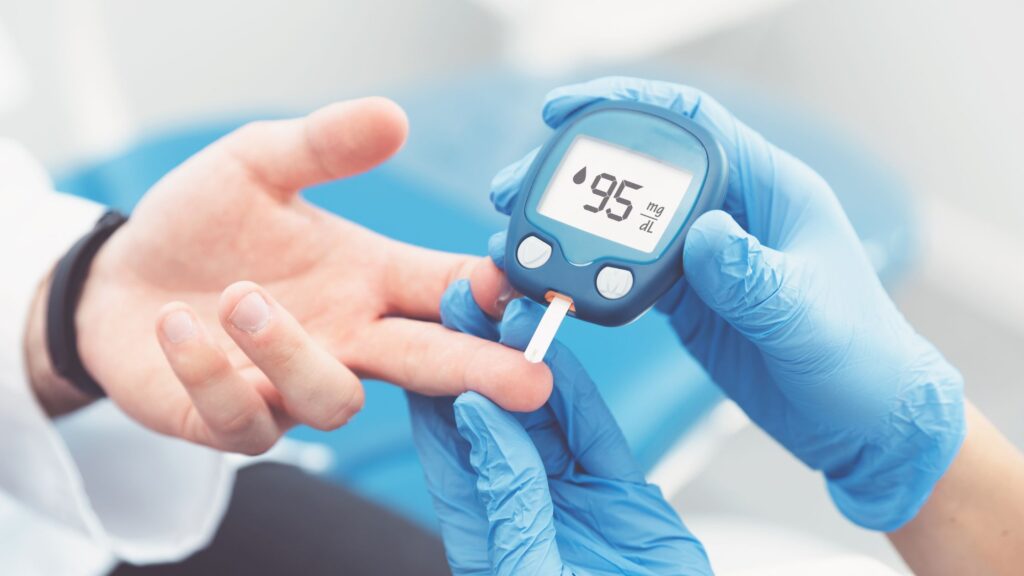
  • Regularly monitor your HbA1c, fasting glucose, and post-meal sugar
  • Keep a food, mood, and glucose log to understand your body
  • Consult with a certified diabetes educator to personalize your nutrition and movement plan

🔗 External Resource: Learn more from American Diabetes Association


Do You Always Need Medication?

Not always. While some people need medications initially, Type 2 Diabetes can often be reversed or managed naturally through sustainable lifestyle changes. Many clients have been able to reduce or even stop their medications over time—with their doctor’s supervision—by embracing natural interventions. Important: Never stop or change your prescribed medication without professional guidance.

Real Case Study: Reversing Diabetes Holistically

One of our inspiring clients, a 42-year-old woman with Type 2 Diabetes and PCOS, came to us exhausted and frustrated. Her HbA1c was 7.8%, and she relied heavily on metformin. Through a 4-month personalized plan involving nutrition coaching, mindful movement, and hormone-balancing strategies, she reduced her HbA1c to 5.6%, improved her insulin sensitivity, and discontinued her medication under her doctor’s supervision. Most importantly, she felt more energetic, clear-minded, and in control of her health.


Final Thoughts

Type 2 Diabetes is not a life sentence. By addressing root causes and embracing natural strategies, you can take control of your blood sugar, your energy, and your long-term health. Small, consistent steps lead to big changes. Whether you’re newly diagnosed or have been living with diabetes for years, healing is possible—naturally.
Ready to take control of your health?
Book your FREE Diabetes Reversal Consultation Todaywith our certified Diabetes Educator Or DM us on Instagram @dr.ruchitamehta

Book Your Consultation


Related Posts

May 22, 2026

Feeling Sleepy After Meals Diabetes: 9 Hidden Reasons You Crash After Eating Feeling Sleepy After Meals Diabetes: Why Your Body Crashes After Eating You eat lunch… And within 30–60 minutes: Many diabetics think: “This is normal after eating.” It’s not. Feeling Sleepy After Meals Diabetes is often a metabolic signal that your body is struggling with: Let’s understand the real reasons. Table of Contents Blood Sugar Spike → Energy Crash After eating carbs: This creates the classic: spike → crash → sleepiness cycle Post-Meal Glucose Pattern Stage What Happens Meal eaten Blood sugar rises Insulin surge Glucose pulled into cells Rapid drop Energy crash begins Brain response Sleepiness + cravings The bigger the spike, the bigger the crash. High-Carb Meals Overload Insulin Common Indian meals often contain: Without enough: This creates rapid glucose overload. Meal Comparison Table Meal Type Energy After Eating High-carb meal Sleepy Protein-balanced meal Stable Fiber-rich meal Sustained energy Meal balance changes everything. Reactive Hypoglycemia Can Cause Sleepiness Some people produce too much insulin after meals. This causes: Reactive Hypoglycemia Signs Symptom Timing Sleepiness 1–2 hrs after meal Hunger Soon after eating Irritability Afternoon Sugar cravings Evening This is common in insulin resistance. Digestion Redirects Blood Flow After large meals: Heavy lunches worsen this effect. Meal Size vs Energy Meal Size Sleepiness Risk Small balanced meal Low Medium meal Moderate Heavy lunch High Overeating amplifies fatigue. Poor Sleep Makes Post-Meal Crashes Worse Sleep deprivation increases: Sleep Quality Impact Sleep Duration Post-Meal Energy 7–8 hrs Stable 5–6 hrs …

May 22, 2026

High Fasting Sugar But Normal Post Meal: 8 Hidden Reasons Morning Glucose Stays High High Fasting Sugar But Normal Post Meal: What Your Body Is Trying To Tell You Many diabetics experience this confusing pattern: ✔ Post-meal sugar = normal❌ Fasting sugar = high You eat carefully.You walk daily.Your daytime readings look good. But every morning: 👉 120👉 130👉 145 This condition is called: High Fasting Sugar But Normal Post Meal And in many cases, the problem is not dinner. The real issue is usually: Let’s decode it properly. 📑 Table of Contents 🌄 1️⃣ Dawn Phenomenon: The Most Common Cause Between 3 AM and 8 AM, the body naturally releases hormones: • cortisol• glucagon• growth hormone These hormones tell the liver: 👉 “Release glucose. The body is waking up.” In healthy people: In diabetics: This is called the Dawn Phenomenon. Dawn Phenomenon Timing Time What Happens 2–3 AM Hormones begin rising 4–6 AM Liver releases glucose Morning High fasting sugar appears This explains why daytime sugar can still look normal. 🏭 2️⃣ Your Liver Is Releasing Too Much Sugar The liver stores glucose for emergencies. But in insulin resistance, the liver becomes overactive. It releases glucose even when the body doesn’t need it. Liver Glucose Dump Signs Sign Possible Cause High fasting only Liver glucose release Good daytime readings Adequate daytime insulin Morning hunger Overnight glucose fluctuation The liver is often the hidden culprit. 😰 3️⃣ Cortisol Raises Morning Glucose Stress hormones strongly affect fasting sugar. High cortisol causes: …

May 16, 2026

Low Blood Sugar Without Medicine: 7 Hidden Reasons Diabetics Feel Hypoglycemia Despite Walking and Metformin Low Blood Sugar Without Medicine: Why You Feel Hypoglycemia Even When You Only Take Metformin This is a surprisingly common situation: • You walk daily• You take only Metformin• You eat “normal” food• Yet you feel shaky, weak, dizzy before lunch and in the evening You assume your diabetes is getting better. But repeated lows without medication often mean something else is going on metabolically. This article explains the real reasons. Table of Contents First Truth: Metformin Rarely Causes Hypoglycemia Metformin does NOT push insulin directly. It works by:• Reducing liver glucose production• Improving insulin sensitivity So if you feel Low Blood Sugar Without Medicine, Metformin is usually not the cause. Something else is happening. Reactive Hypoglycemia (Most Common Cause) This pattern strongly points to reactive hypoglycemia. Your body releases too much insulin after meals. Glucose rises → insulin overshoots → sugar crashes. Reactive Hypoglycemia Pattern Time What happens After breakfast Sugar rises quickly Mid-morning Insulin overshoots Before lunch Sugar drops → symptoms Evening Repeat cycle Symptoms include:• shakiness• irritability• weakness• sudden hunger• brain fog Daily Walking Accelerates Glucose Use Walking 10k steps is great — but it increases glucose consumption. Your muscles pull glucose from blood even without insulin. Walking & Glucose Use Activity Glucose Burn Sitting Low Light walking Moderate 10k steps daily High If meals are not balanced → dips occur. High Carb Breakfast → Mid-Morning Crash Typical breakfast mistakes: • Tea …

May 16, 2026

AC Rooms and Diabetes: 7 Shocking Ways Air Conditioning Raises Blood Sugar Indoors AC Rooms and Diabetes: Why Staying Indoors in Cool Air Can Raise Your Blood Sugar Everyone talks about heat and diabetes. But here’s the hidden truth:Many people experience higher blood sugar in air-conditioned environments without realizing why. You eat the same food.You move the same.You take the same medicines. Yet glucose slowly creeps up. This happens because the human body is designed to respond to temperature — and constant cooling changes metabolism. Table of Contents Reduced Brown Fat Activation Your body has brown fat, which burns glucose to produce heat. Exposure to mild natural temperature variation activates it. Constant AC keeps the body in “comfort mode,” meaning: Less glucose burned Lower metabolic activation More glucose stays in blood Brown Fat Activation Table Environment Brown Fat Activity Glucose Burn Natural temperature High Higher Mild cool exposure Moderate Moderate Constant AC Low Low Calorie Burn Drops Without You Realising When your body adjusts to outdoor temperature, it burns extra energy for thermoregulation. AC removes this need. Energy Expenditure Comparison Environment Extra Calories Burned Daily Natural climate 100–200 kcal Outdoor activity 200–400 kcal Full-day AC exposure Minimal This small daily difference leads to gradual insulin resistance. Cold Air Increases Hunger Hormones Cool environments increase:• ghrelin (hunger hormone)• appetite signals This leads to:• more snacking• larger portions• craving comfort foods Temperature vs Appetite Temperature Hunger Level Warm environment Moderate Mild cool Increased Strong AC cooling High Dry Air Causes Hidden Dehydration …

May 14, 2026

Summer Blood Sugar Spikes: 9 Hidden Reasons Evening Glucose Rises in Hot Weather The Summer Blood Sugar Problem Nobody Talks About Many people with diabetes notice something confusing in summer: Morning sugars ✔ normalAfternoon sugars ✔ stableEvening sugars ❌ suddenly high They blame dinner.But dinner is often not the real cause. Summer evenings create a perfect hormonal storm that pushes glucose up — even if you eat the same meals. Let’s decode the real reasons. What Happens To Your Body On Hot Summer Evenings Summer changes your metabolism across the entire day. By evening, your body has already experienced: All of this shows up as high nighttime glucose. Reason 1: Hidden Dehydration Raises Blood Sugar Most people are chronically dehydrated by evening. When you sweat: This is called concentration hyperglycemia. How Much Fluid You Lose In Summer ActivityFluid loss per hourSitting indoors250–400 mlLight walking500–700 mlOutdoor activity1–1.5 LGym workout1–2 L Even mild dehydration can raise glucose by 10–20 mg/dl. Reason 2: Electrolyte Loss → Insulin Works Worse Sweat doesn’t just remove water.It removes sodium, potassium, magnesium. These minerals are essential for: Low electrolytes = temporary insulin resistance. Electrolyte Loss Symptoms SignWhat it meansEvening fatigueLow sodium/potassiumSugar cravingsMagnesium deficiencyHeadacheDehydrationNight hungerCortisol + electrolyte drop Your body asks for sugar because it actually needs minerals. Reason 3: Late-Day Cortisol Spike Heat is a physical stressor. Your body responds by releasing cortisol to maintain: Cortisol raises glucose to keep you energized. By evening, cortisol can rise again due to: This creates the summer evening spike. Reason …

May 7, 2026

PCOD and Diabetes: The Hidden Link Every Woman Should Know Most women think PCOD (PCOS) is only about irregular periods, acne, or weight gain. That’s the surface. Underneath, there is a powerful metabolic disorder silently increasing the risk of prediabetes and type 2 diabetes — often years before symptoms appear. This connection is not optional or rare.It is biological, predictable, and preventable. Let’s break it down clearly. What is PCOD/PCOS Really? Polycystic Ovarian Disease (PCOD/PCOS) is a hormonal + metabolic disorder, not just a reproductive issue. Key features: But the root driver in most cases is: Insulin Resistance And this is where diabetes enters the story. The Real Villain: Insulin Resistance Insulin is the hormone that helps glucose enter your cells to be used as energy. When the body becomes resistant to insulin: This condition is called insulin resistance, and it sits at the center of both PCOD and Type 2 Diabetes. How Insulin Resistance Triggers PCOD High insulin levels directly affect the ovaries. Excess insulin tells the ovaries to produce more androgens (male hormones). This leads to: High Insulin Effect What Happens in PCOD ↑ Androgen production Acne, facial hair, hair loss Disrupted ovulation Irregular or missing periods Fat storage increases Weight gain, belly fat Cravings increase Sugar and carb cravings Inflammation rises Fertility issues This is why PCOD is often called a metabolic condition with reproductive symptoms. Why Women with PCOD Are at High Risk of Diabetes Women with PCOD are 4–7 times more likely to develop Type …

Leave a Reply

Your email address will not be published. Required fields are marked *