
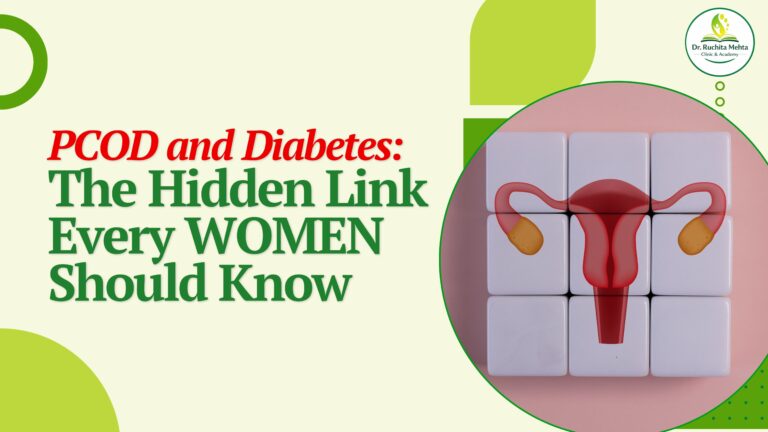
PCOD and Diabetes: The Hidden Link Every Woman Should Know Most women think PCOD (PCOS) is only about irregular periods, acne, or weight gain. That’s the surface. Underneath, there is a powerful metabolic disorder silently increasing the risk of prediabetes and type 2 diabetes — often years before symptoms appear. This connection is not optional or rare.It is biological, predictable, and preventable. Let’s break it down clearly. What is PCOD/PCOS Really? Polycystic Ovarian Disease (PCOD/PCOS) is a hormonal + metabolic disorder, not just a reproductive issue. Key features: But the root driver in most cases is: Insulin Resistance And this is where diabetes enters the story. The Real Villain: Insulin Resistance Insulin is the hormone that helps glucose enter your cells to be used as energy. When the body becomes resistant to insulin: This condition is called insulin resistance, and it sits at the center of both PCOD and Type 2 Diabetes. How Insulin Resistance Triggers PCOD High insulin levels directly affect the ovaries. Excess insulin tells the ovaries to produce more androgens (male hormones). This leads to: High Insulin Effect What Happens in PCOD ↑ Androgen production Acne, facial hair, hair loss Disrupted ovulation Irregular or missing periods Fat storage increases Weight gain, belly fat Cravings increase Sugar and carb cravings Inflammation rises Fertility issues This is why PCOD is often called a metabolic condition with reproductive symptoms. Why Women with PCOD Are at High Risk of Diabetes Women with PCOD are 4–7 times more likely to develop Type …
Blog Page
Why Summer Evenings Cause Unexpected Blood Sugar Spikes (And How to Stop Them) The Summer Blood Sugar Problem Nobody Talks About Many people with diabetes notice something confusing in summer: Morning sugars ✔ normalAfternoon sugars ✔ stableEvening sugars ❌ suddenly high They blame dinner.But dinner is often not the real cause. Summer evenings create a perfect hormonal storm that pushes glucose up — even if you eat the same meals. Let’s decode the real reasons. What Happens To Your Body On Hot Summer Evenings Summer changes your metabolism across the entire day. By evening, your body has already experienced: All of this shows up as high nighttime glucose. Reason 1: Hidden Dehydration Raises Blood Sugar Most people are chronically dehydrated by evening. When you sweat: This is called concentration hyperglycemia. How Much Fluid You Lose In Summer ActivityFluid loss per hourSitting indoors250–400 mlLight walking500–700 mlOutdoor activity1–1.5 LGym workout1–2 L Even mild dehydration can raise glucose by 10–20 mg/dl. Reason 2: Electrolyte Loss → Insulin Works Worse Sweat doesn’t just remove water.It removes sodium, potassium, magnesium. These minerals are essential for: Low electrolytes = temporary insulin resistance. Electrolyte Loss Symptoms SignWhat it meansEvening fatigueLow sodium/potassiumSugar cravingsMagnesium deficiencyHeadacheDehydrationNight hungerCortisol + electrolyte drop Your body asks for sugar because it actually needs minerals. Reason 3: Late-Day Cortisol Spike Heat is a physical stressor. Your body responds by releasing cortisol to maintain: Cortisol raises glucose to keep you energized. By evening, cortisol can rise again due to: This creates the summer evening spike. Reason …
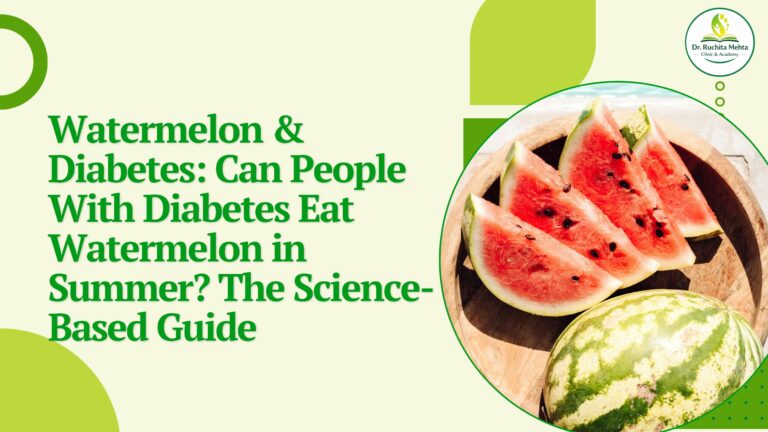
Watermelon & Diabetes: Can People With Diabetes Eat Watermelon in Summer? The Science-Based Guide Watermelon & Diabetes: The Most Misunderstood Summer Fruit Every summer, people with diabetes hear the same warning: ❌ “Watermelon is full of sugar. Avoid it.” This is oversimplified and misleading. Watermelon is one of the most misunderstood fruits in diabetes management because people only look at glycemic index (GI) and ignore glycemic load (GL), portion size, hydration, and insulin response. Let’s break the myth using real science. Why Watermelon Gets a “Bad Reputation” Watermelon has a high glycemic index (GI ~72–80).That sounds scary, but GI alone does NOT determine real blood sugar impact. The real question is:👉 How much sugar do you actually eat per serving? Watermelon is 90–92% water.So the sugar per portion is much lower than people assume. Watermelon Nutrition Breakdown (1 cup diced – 152g) NutrientAmountCalories46 kcalCarbohydrates11.5 gNatural sugar9.4 gFiber0.6 gWater content91%Glycemic IndexHighGlycemic LoadLOW (≈5) Why Glycemic Load Matters More Watermelon has high GI but LOW GL, meaning small portions don’t spike sugar dramatically. This changes everything. How Watermelon Actually Affects Blood Sugar When eaten alone in large quantity → spike riskWhen eaten correctly → safe & beneficial Watermelon affects glucose through 3 key mechanisms: 1️⃣ High Water Content Improves Hydration Dehydration increases blood sugar concentration and insulin resistance. Summer dehydration is a hidden glucose trigger.Watermelon helps correct this. 2️⃣ Contains L-Citrulline → Improves Insulin Sensitivity Watermelon is rich in citrulline, an amino acid that: Better circulation = better glucose delivery to cells. …
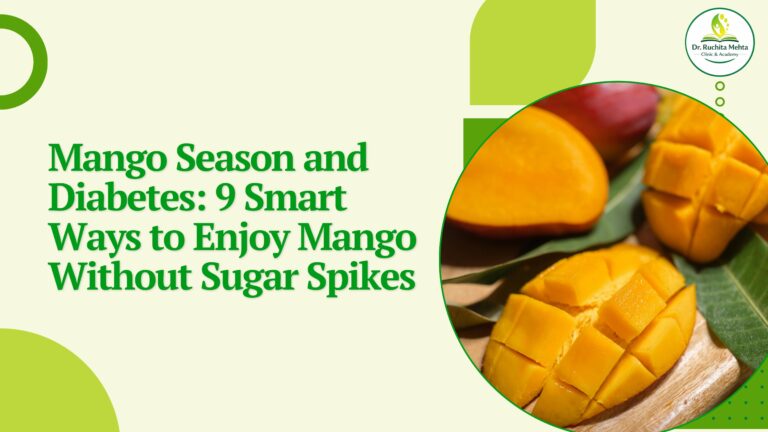
Mango Season and Diabetes: 9 Smart Ways to Enjoy Mango Without Sugar Spikes Mango Season and Diabetes: Can You Eat Mango Without Raising Blood Sugar? Summer arrives… and so does mango season. Many people with diabetes believe they must completely avoid mango. That’s not true. The real problem isn’t mango — it’s how, when, and how much you eat. Let’s break the science and create a smart mango strategy. Table of Contents Mango Nutrition Snapshot Nutrient Amount per 100g Calories 60 kcal Carbohydrates 15g Sugar 14g Fiber 1.6g Mango is high in natural sugar but also contains fiber and antioxidants. Portion control is the key. 1️⃣ Why Mango Raises Blood Sugar Fast Mango contains natural fruit sugar called fructose. Fructose is quickly absorbed and can raise blood glucose when eaten alone. Glycemic Index vs Glycemic Load Term Meaning Glycemic Index (GI) How fast food raises sugar Glycemic Load (GL) GI + portion size Mango GI = ModerateMango GL = High (in large portions) Portion size determines the spike. 2️⃣ Safe Mango Portion Size The safest portion for diabetes: Mango Serving Sugar Impact ½ cup diced mango Safe 1 cup mango Moderate spike Whole mango High spike Portion makes all the difference. 3️⃣ Best Time to Eat Mango Never eat mango:❌ On empty stomach❌ At night❌ After dinner Best time:✔ Mid-morning✔ Post-lunch dessert✔ After exercise Blood Sugar Response by Timing Timing Glucose Spike Empty stomach High After meal Moderate After exercise Lower Timing changes glucose response dramatically. 4️⃣ The Mango Pairing …
Summer Dehydration and Diabetes: 11 Powerful Ways Heat Raises Blood Sugar Summer Dehydration and Diabetes: Why Hot Weather Raises Sugar Levels Most people think winter worsens diabetes. But summer creates a different kind of danger. Heat affects:• hydration• hormones• sleep• appetite• physical activity All of these influence blood sugar. Many people notice higher readings in summer and don’t know why. Let’s break the science. Table of Contents How Heat Affects Blood Sugar Factor Effect on Diabetes Dehydration Raises glucose concentration Heat stress Increases cortisol Poor sleep Raises insulin resistance Sugary drinks Causes spikes Electrolyte imbalance Affects insulin function Summer impacts multiple systems at once. 1️⃣ Dehydration Concentrates Blood Sugar When you lose fluids through sweat:• blood volume decreases• glucose becomes concentrated Even without eating more, readings rise. Hydration vs Blood Sugar Hydration Level Blood Sugar Trend Well hydrated Stable Mild dehydration Slight increase Moderate dehydration Significant spike Drinking water directly influences glucose levels. 2️⃣ Heat Hormones Increase Glucose Hot weather increases:• cortisol• adrenaline These hormones trigger the liver to release glucose. This is the body’s heat survival mechanism. 3️⃣ Sweating Causes Electrolyte Loss Sweat removes:• sodium• potassium• magnesium These minerals help insulin work properly. Electrolyte imbalance worsens insulin resistance. 4️⃣ Hot Nights Disrupt Sleep Summer nights often reduce sleep quality. Poor sleep increases:• insulin resistance• appetite hormones• fasting glucose Even one bad night affects next-day sugar. Sleep vs Glucose Sleep Quality Next Morning Sugar Good sleep Lower Poor sleep Higher Sleep is a major summer challenge. 5️⃣ Appetite Changes in …
Eating Fast and Diabetes: The Hidden Habit Raising Your Post-Meal Sugar Most people focus on what they eat. Few think about how fast they eat. But meal speed directly impacts:• glucose spikes• insulin release• hunger hormones• calorie intake Eating too quickly is one of the most overlooked diabetes triggers. Table of Contents Fast vs Slow Eating: Blood Sugar Impact Eating SpeedAverage Meal DurationGlucose SpikeFullnessFast eater5–10 minHighLowModerate eater15–20 minModerateModerateSlow eater20–30 minLowerHigh Slower eating improves glucose control. 1️⃣ Brain Needs 20 Minutes to Feel Full Satiety signals take time to reach the brain. Fast eating finishes the meal before fullness signals arrive. Result → overeating. 2️⃣ Faster Eating = Larger Portions Studies show fast eaters consume 20–30% more calories. More food = more glucose entering the bloodstream. Portion Comparison Eating StyleAverage Calories ConsumedFast eater750–900 kcalSlow eater500–650 kcal Speed changes calorie intake without awareness. 3️⃣ Larger Glucose Spikes After Meals Rapid eating causes:• faster carb absorption• higher glucose surge• bigger insulin demand Slow eating spreads glucose absorption over time. Blood Sugar Spike Comparison Eating SpeedPost-Meal Sugar RiseFast+70–90 mg/dLSlow+30–50 mg/dL Huge difference from eating speed alone. 4️⃣ Poor Chewing Reduces Digestion Quality Fast eaters chew less. Poor chewing causes:• faster carb absorption• weaker satiety signals• digestive stress Digestion begins in the mouth. 5️⃣ Stress Response During Fast Eating Rushed eating activates the fight-or-flight response. This increases cortisol → increases glucose release. 6️⃣ Hunger Hormones Stay High Fast eating disrupts hormone balance: HormoneEffect When Eating FastGhrelin (hunger)Remains highLeptin (fullness)DelayedInsulinSpikes quickly Hormonal chaos increases cravings. 7️⃣ …
Breakfast Skipping and Diabetes: 8 Powerful Reasons It Raises Blood Sugar Breakfast Skipping and Diabetes: Why Your First Meal Controls Your Entire Day Many people skip breakfast to lose weight or save time. But for diabetes, skipping breakfast can create a metabolic chain reaction that affects blood sugar all day long. If your sugar spikes after lunch or dinner, your morning routine might be the hidden cause. Table of Contents How Blood Sugar Behaves With vs Without Breakfast Habit Lunch Sugar Spike Dinner Sugar Spike Cravings Eat Breakfast Moderate Lower Low Skip Breakfast High Very High High Skipping breakfast shifts glucose spikes later. 1️⃣ The Dawn Hormone Effect Early morning hormones naturally raise blood sugar:• cortisol• growth hormone• glucagon Breakfast signals the body to release insulin and stabilize sugar. Without breakfast → sugar stays elevated longer. 2️⃣ Higher Post-Lunch Sugar Spikes This is called the Second Meal Effect. Eating breakfast improves glucose response to later meals. Skipping breakfast removes this protective effect. Sugar Spike Comparison Scenario Post-Lunch Sugar Rise With Breakfast +30–40 mg/dL No Breakfast +50–70 mg/dL Skipping breakfast increases lunch spikes dramatically. 3️⃣ Insulin Resistance Increases Midday Skipping breakfast makes cells less responsive to insulin later. Your body struggles to manage carbs efficiently. 4️⃣ Cortisol Stays Elevated Morning fasting keeps cortisol high. High cortisol causes:• liver glucose release• increased hunger• insulin resistance Breakfast lowers cortisol naturally. 5️⃣ Overeating Later in the Day Skipping breakfast increases hunger hormones:• ghrelin• neuropeptide Y This leads to:• larger lunches• evening snacking• sugar cravings …
Late Dinner and Diabetes: 10 Powerful Reasons Eating After 9PM Spikes Blood Sugar Late Dinner and Diabetes: Why Your Night Meals Control Your Morning Sugar Many people focus on what they eat. Very few focus on when they eat. But meal timing plays a huge role in blood sugar control. One of the biggest hidden triggers?Late dinner. If your fasting sugar is high despite a good diet, your dinner timing might be the reason. Table of Contents How Insulin Sensitivity Changes Through the Day Time of Day Insulin Sensitivity Blood Sugar Response Morning Highest Lowest spike Afternoon Moderate Moderate spike Night Lowest Highest spike Your body handles carbs best earlier in the day. Eating late forces your body to process food when metabolism is slow. 1️⃣ Night Metabolism Slows Down Your body follows a circadian rhythm. At night, the body prepares for:• repair• recovery• hormone balance Not digestion. Late dinner forces the body to digest during its rest phase. 2️⃣ Insulin Sensitivity Drops at Night Research shows insulin works 20–30% less effectively at night. This means the same meal causes:• bigger sugar spike• longer sugar elevation Blood Sugar Response: Early vs Late Dinner Dinner Time Average Sugar Spike 6:30 PM Small 8:00 PM Moderate 10:00 PM Large Timing alone changes glucose response. 3️⃣ Liver Releases More Glucose Overnight Your liver naturally releases glucose while you sleep. Late dinner adds extra glucose to the system. This causes high fasting sugar in the morning. 4️⃣ Melatonin Blocks Insulin Night hormone melatonin prepares …
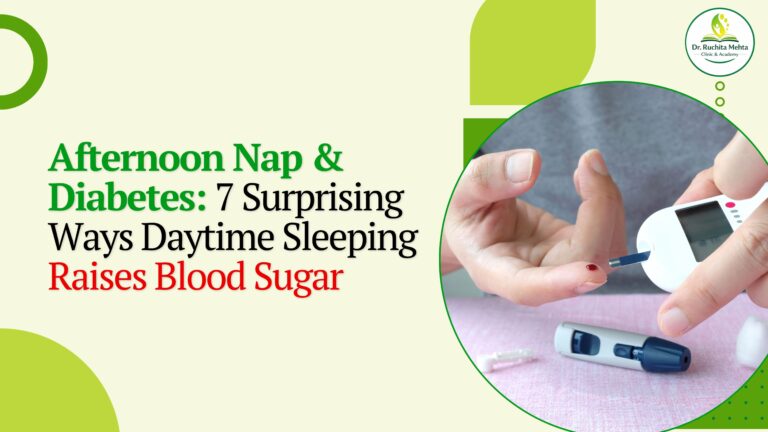
Afternoon Nap & Diabetes: 7 Surprising Ways Daytime Sleeping Raises Blood Sugar Afternoon Nap and Diabetes: The Blood Sugar Habit Nobody Questions Afternoon naps feel harmless. Relaxing. Refreshing. Healthy. But research shows long daytime naps may be linked to:• higher insulin resistance• increased risk of type 2 diabetes• worse glucose control Let’s understand why. Table of Contents 1️⃣ Circadian Rhythm Gets Confused Your body follows a 24-hour clock. Day = active phaseNight = repair phase Sleeping during the day confuses this rhythm. Hormones regulating glucose become mistimed. 2️⃣ Longer Naps Linked With Diabetes Risk Studies show naps longer than 60 minutes are associated with higher risk of type 2 diabetes. Why? Long naps signal poor nighttime sleep and metabolic imbalance. 3️⃣ Cortisol Confusion Cortisol should be high in morning and low at night. Daytime sleeping disrupts this pattern. This causes:• higher evening cortisol• increased liver glucose release Result → higher fasting sugar. 4️⃣ Night Sleep Quality Drops Long naps reduce sleep pressure. You feel less sleepy at night. Late sleep → shorter deep sleep → higher morning glucose. 5️⃣ Post-Nap Grogginess Triggers Cravings Long naps cause sleep inertia (grogginess). This increases cravings for:• sugary snacks• caffeine• fast carbs Your brain wants quick energy. 6️⃣ Reduced Daily Activity Napping replaces movement. Less activity means:• lower glucose use• reduced insulin sensitivity Even small reductions matter. 7️⃣ How to Nap Safely With Diabetes Naps aren’t bad — long naps are. Follow the safe nap formula: ✔ 10–25 minutes max✔ Before 3 PM✔ Not …